Skip to content






Deciding to start therapy is a big step. Deciding how to attend it, in a comfortable office or from your own living room, is the next one. The choice between in person vs virtual mental health treatment in San Diego is not about which is universally better, because both can work well. It is about which fits your needs, your schedule, and the way you feel most comfortable opening up. Here is a clear look at both, so you can pick the path that gives you the best shot at feeling better.
In-Person Therapy vs. Virtual Sessions: Understanding Your Mental Health Options in San Diego
Not long ago, therapy meant one thing: driving to an office and sitting across from your therapist. Today, the mental health therapy San Diego residents can access comes in two main forms, traditional in-person sessions and virtual visits over video or phone. Both connect you with a licensed professional. Both can treat the same broad range of concerns. The difference is in the experience, the logistics, and which one helps you show up week after week, because the best therapy is the kind you keep showing up for.
| In-person therapy | Virtual therapy |
| You travel to an office | You meet from anywhere private |
| Full body language is visible | Mostly face and voice come through |
| Set apart from daily distractions | Fits around work and childcare |
| Better for higher-acuity needs | Better for access and convenience |
How Teletherapy Benefits Are Reshaping Anxiety Treatment
Telehealth.HHS.gov notes that telehealth is an effective way to deliver individual therapy, with benefits that include privacy, reduced stigma, convenience, and improved access for people who have trouble leaving home. For anxiety treatment in particular, these teletherapy benefits can be a game changer. Anxiety often makes leaving the house, sitting in a waiting room, or driving across town feel overwhelming, the exact barriers that lead people to cancel or quit. Meeting from a familiar, safe space removes a lot of that friction, which can make it easier to begin treatment and stay with it.
Accessibility and Convenience in Modern Counseling Services
NAMI points out that telehealth can remove the barrier of needing transportation and reduce missed appointments, leading to greater continuity of care. That accessibility matters more than it sounds. Modern counseling services that offer virtual options open the door for people who could not easily get help before:
- People in areas far from a therapist’s office.
- Parents who cannot easily arrange childcare for an appointment.
- Anyone without reliable transportation or with mobility challenges.
- Busy professionals who can fit a session into a lunch break..
The Effectiveness of Face-to-Face Counseling Sessions
Virtual care has clear advantages, but face-to-face counseling holds its own for good reasons. Sitting in the same room, a therapist can read your full body language, the posture shifts and small movements a webcam can miss. There are no frozen screens or dropped calls to interrupt a vulnerable moment. And for some people, leaving home to attend a session creates a helpful boundary between therapy and daily life, a dedicated space set apart for the work. For higher-acuity needs, in-person care can also allow for closer support and easier coordination.
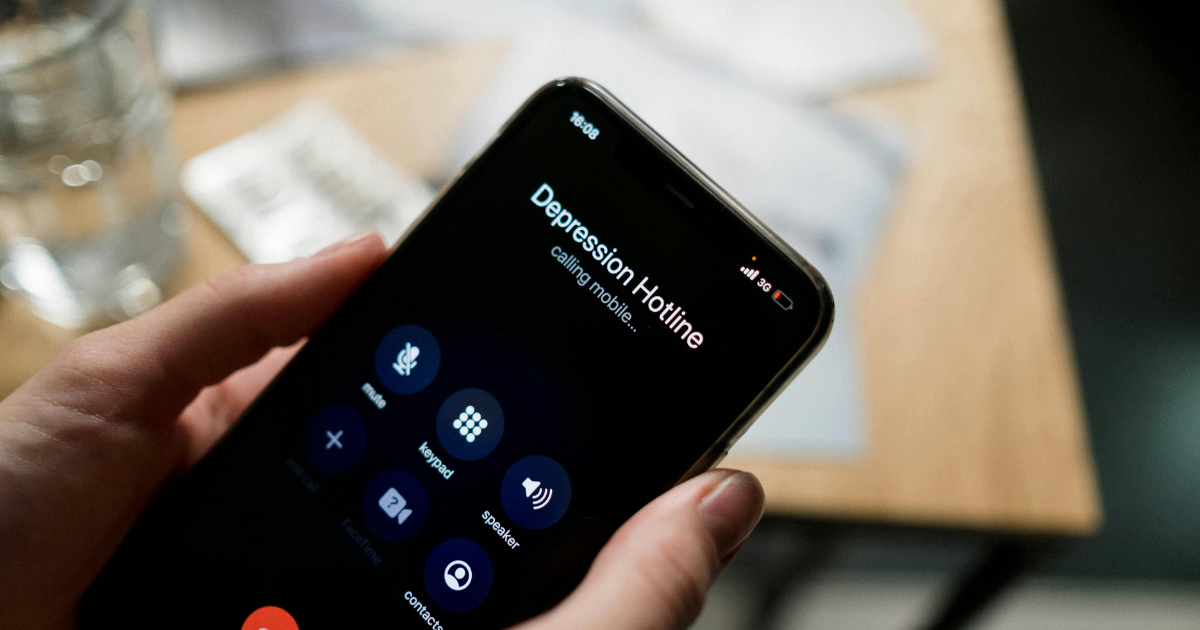
Virtual Mental Health Treatment: Breaking Down Barriers to Care
Virtual mental health treatment has done something remarkable: it has made therapy reachable for people who were effectively shut out before. Stigma keeps many people from walking into a clinic, worried about being seen. Distance puts qualified therapists out of reach for whole communities. Disability, illness, and caregiving duties make leaving home hard. Virtual care chips away at every one of these barriers, which is a big reason it has stayed so popular even as offices reopened.
Technology’s Role in Expanding Therapy Accessibility
Technology is the engine behind this shift. Secure video platforms, messaging tools, and even phone sessions have widened therapy accessibility in ways that seemed unlikely a decade ago. Surveys of mental health facilities show that a large majority now offer care through telehealth, a sign of how firmly virtual options have taken hold. For patients, that means more choice, shorter waits, and the freedom to find a therapist who truly fits, rather than settling for whoever happens to be nearby.
Anxiety Treatment Approaches: Comparing In-Person and Online Methods
When it comes to anxiety treatment, both formats can deliver the proven approaches that work, like cognitive behavioral therapy and exposure techniques. Online sessions have a quiet advantage for some anxiety disorders, since practicing coping skills in your own environment, where the anxiety tends to flare, can make them easier to apply in real life. In-person sessions can be better for people who find home full of distractions, or who need the structure of getting out and going somewhere. Neither is automatically superior. The right fit depends on your specific symptoms and what helps you engage.
Depression Therapy Outcomes: What Research Shows About Both Modalities
For depression therapy, the research is reassuring: studies have repeatedly found that therapy delivered virtually can produce outcomes comparable to in-person care for many people. The active ingredients of effective treatment, a skilled therapist, a strong working relationship, and proven methods, travel well across both formats. What tends to matter most is not whether the session happens on a couch or a screen, but whether you attend regularly and engage with the work. For many people with depression, the easier access of virtual care is exactly what makes that consistency possible.
Choosing the Right Treatment Effectiveness Path for Your Mental Health Goals
So how do you choose? The real answer is that the right path is the one you will stick with, and that depends on you. A few questions can point you in the right direction:
- Do you have private space and reliable internet at home?
- Does leaving the house for therapy feel helpful or like a barrier?
- How severe are your symptoms, and do you need closer support?
- Which option makes it easiest to show up week after week?
Getting Started With Mental Health Center of San Diego’s Flexible Therapy Options
You do not have to commit to one format forever, or figure it out on your own. The right practice will help you find what works and adjust as your needs change.
At the Mental Health Center of San Diego, our flexible therapy options are built around your life, not the other way around. Whatever format you choose, the important thing is getting started. And if you are ever in crisis, please reach out for immediate help by calling or texting 988.
The best therapy is the kind that fits your life well enough that you keep showing up. Reach out to Mental Health Center of San Diego to explore whether in-person or virtual care is the right starting point for you.

FAQs
-
Which therapy format works better for treating anxiety without long commutes?
For avoiding commutes, virtual therapy has the clear edge, and it can be especially helpful for anxiety. Skipping the drive, the traffic, and the waiting room removes several of the stressors that lead anxious people to cancel or avoid appointments in the first place. Attending from a calm, familiar space can also make it easier to open up.
-
Can teletherapy deliver the same depression therapy outcomes as in-person sessions?
For many people, yes. Research has consistently found that teletherapy can produce depression outcomes comparable to in-person care, particularly for common approaches like cognitive behavioral therapy. The factors that drive results, a skilled therapist, a strong relationship, and consistent attendance, work in both formats.
-
How do San Diego counseling services reduce costs through virtual appointments?
Virtual appointments trim several hidden costs that add up with in-person care. There is no gas, no parking, and no wear on your car from driving to an office. Many people also lose less time off work, since a virtual session can fit into a break instead of requiring half a day.
-
Does your therapist choice matter more than the delivery method for results?
In most cases, yes. Research consistently shows that the quality of the relationship between you and your therapist is one of the strongest predictors of whether therapy helps, more important than whether sessions happen in person or online.
-
What mental health conditions respond best to online versus face-to-face treatment?
Many common conditions, including anxiety, depression, and stress-related concerns, respond well to both online and face-to-face treatment, so personal preference often guides the choice. Online care tends to work especially well for these everyday concerns and for people who value convenience and access. Face-to-face treatment can be the better fit for more difficult or complex situations, including ones that need closer monitoring, hands-on support, or a higher level of care.