Skip to content




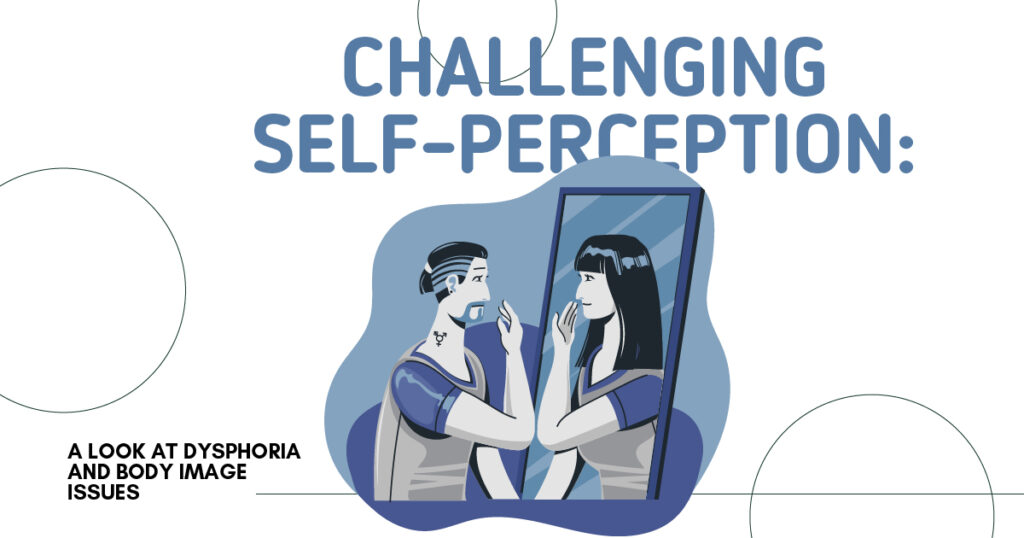
Introduction to Self-Perception and Dysphoria
Understanding the distinctions between body dysmorphia and dysphoria—two separate but sometimes overlapping conditions with significant effects on mental health—is important. They both are associated with much suffering concerning self-image, but they are caused by various reasons and demand specific treatment methods.
The International OCD Foundation (IOF) states that one out of every 50 people has body dysmorphic disorder, and gender dysphoria is also an issue that has a unique difficulty for the transgender community. This paper will look at the conditions, their symptoms, and how to achieve self-acceptance.
Understanding Body Dysmorphic Disorder
Describing the Symptoms and Challenges
Body dysmorphic disorder refers to a mental health condition as a result of an obsessive concern about the perceived imperfections in the physical appearance that are invisible to other people. Such body image problems produce much distress, which disrupts normal functioning.
Common symptoms include:
- Excessive mirror checking or avoidance of reflective surfaces
- Repetitive grooming behaviors such as skin picking
- Constantly comparing appearance to others
- Seeking frequent cosmetic procedures without satisfaction
- Social isolation due to shame about appearance
Impact on Mental Health and Daily Life
This mental illness is mostly associated with depression and anxiety. The people might even be housebound and cannot confront social circumstances because of excessive self-consciousness. The condition creates a distorted lens and therefore makes it impossible to self-evaluate objectively as the sufferers see themselves.
Gender Dysphoria and Its Manifestations
Identifying Symptoms of Gender Dysphoria
Gender dysphoria symptoms include a consistent distress due to the incompatibility between gender identity and sex at birth. This is unlike body dysmorphic disorder since distress is a result of actual detachment and not perceived imperfection.
Signs of gender dysphoria include:
- Strong desire to be treated as a different gender
- Significant distress about sex characteristics
- Deep conviction that feelings align with a different gender
- Desire for physical characteristics matching gender identity

The Role of Gender Identity Disorder
Gender identity disorder has been replaced by gender dysphoria in clinical settings. The World Health Organization (WHO) now categorizes gender conflict as sexual health and not a mental disorder and is engaging in how to reduce distress and not stigmatize diversity in gender.
Key Differences: Body Dysmorphia vs Dysphoria
| Characteristic | Body Dysmorphic Disorder | Gender Dysphoria |
| Core Issue | Perceived flaws others don’t see | Incongruence between identity and assigned sex |
| Perception | Distorted; exaggerates minor features | Accurate; body doesn’t match identity |
| Treatment Goal | Correct distorted thinking | Align appearance with identity when desired |
| Satisfaction | Rarely satisfied after changes | Often improved after transition care |
The Relationship Between Body Image Issues and Mental Health Disorders
Analyzing Self-Perception Problems
Self-perception issues constitute a continuum of problems that affect psychological health. In both body dysmorphic disorder and transgender dysphoria, painful self-perception is an obstacle to living. The problems are usually formed in adolescence but may also be formed at any age.
Effects on Overall Well-being
The two may cause depression, anxiety, and withdrawal. People can have problems with work and personal relations because of personal conflicts. Early diagnosis and intervention are of great importance in improving the outcomes.
Cosmetic Surgery Obsession and Its Link to Dysphoria
Examining the Psychological Implications
Body dysmorphic disorder is often accompanied by obsession with surgery, and patients undergo the surgeries repeatedly to correct certain defects. Surgery can hardly be a permanent solution since the issue is perception and not reality.
In patients with transgender dysphoria, gender-affirming surgery can be of great relief as part of overall care. This difference shows the significance of proper diagnosis in the assessment of body dysmorphia and dysphoria.
Addressing the Underlying Causes
| Approach | Body Dysmorphic Disorder | Gender Dysphoria |
| Primary Treatment | CBT and SSRIs | Affirming therapy; hormones, and surgery |
| Cosmetic Procedures | Not recommended | Often beneficial when appropriate |
| Therapy Focus | Challenging distorted thoughts | Identity exploration; coping skills |
| Support Needs | OCD-specialized treatment | LGBTQ+-affirming care |
Transgender Dysphoria and the Journey of Self-Acceptance
Challenges in Transition and Acceptance
Transgender individuals suffer socially and are denied access to medical services because of transgender dysphoria. Encouraging mental health professionals may make a big difference in positive therapeutic relationships with them.
Support Systems and Mental Health Resources
It is important to develop powerful support systems. This is accompanied by the need to relate with LGBTQ+ communities and identify affirmative healthcare providers. The support of family is also among the most powerful elements of defense against adverse consequences.
Coping Strategies and Support for Individuals Facing Dysphoria and Body Image Issues
Therapeutic Approaches and Interventions
Cognitive-behavioral therapy versions of exposure and response prevention are somewhat effective in the case of body dysmorphic disorder. Management of gender dysphoria is an individual therapy that involves change in social aspects, hormones and surgery, and this varies with the individual objectives.
Helpful strategies include:
- Working with specialized mental health professionals
- Practicing mindfulness to reduce rumination
- Building supportive social connections
- Limiting triggering social media exposure
Community and Professional Support
The two conditions enjoy extensive support in terms of psychological, social, and medical aspects. Peer connection is given by the support groups, and professional treatment offers specialized interventions.

Seeing Yourself Clearly: San Diego’s Center for Compassionate Care
The understanding of body dysmorphia and dysphoria will help the individual to obtain the correct help. Whether it is a body dysmorphic disorder, gender dysphoria, or any other body image issue, professional help may enable one to get over it.
Mental Health Center of San Diego is a center that offers holistic care for body image problems and associated mental illnesses. Our team provides affirming, evidence-based care that addresses the needs of the individual. Contact us to start the journey of being able to see yourself clearly and compassionately.
FAQs
What are the main differences between body dysmorphic disorder and gender dysphoria regarding self-perception issues?
Body dysmorphic disorder is a distorted perception that entails obsessive attention to physical imperfections that are not visible to others. Gender dysphoria entails proper identification that the body is not compatible with the internal gender identity. The mechanisms and treatment underlying them are very different.
How do body image issues connected to body dysmorphic disorder impact overall mental health and daily life?
The body dysmorphic disorder is a significant impairment of the functionality, and they are likely to be socially withdrawn and incapable of performing their jobs due to time-wasting rituals. Depression and anxiety normally accompany the disease. Most individuals remain housebound without receiving treatment.
What symptoms are commonly associated with gender dysphoria, and how do they relate to gender identity disorder?
The constant dissatisfaction at being the opposite sex and the strong identification with the opposite sex are the symptoms of gender dysphoria. The reason behind the change in the clinical term denoting gender identity disorder is to demonstrate that gender diversity cannot be considered pathological.
In what ways does cosmetic surgery obsession relate to both body dysmorphic disorder and transgender dysphoria?
Cosmetic surgery is hardly an answer to body dysmorphic disorder, as it is no longer about appearance but perceptions. In transgender dysphoria, there is a possibility of a significant outcome of intensive treatment, namely gender-affirming surgery.
What strategies and support systems are effective for individuals dealing with self-perception problems and mental health disorders?
The most effective approaches include cognitive-behavioral interventions with the help of experts and the formation of supportive social groups. Support groups can be used to alleviate the conditions. Professional support and community support offer the most desirable aspect of improved well-being.