Skip to content




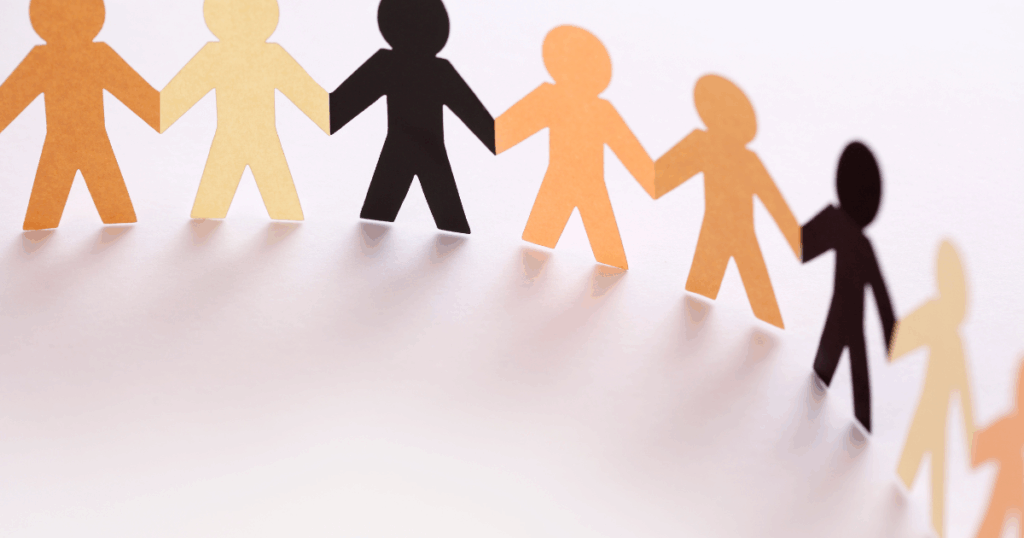
In today’s globalized world, understanding the intricacies of personal identity is more important than ever. Two terms that often come up in discussions about identity are nationality and ethnicity. While they may seem similar at first glance, nationality and ethnicity refer to different aspects of a person’s background. Grasping the distinction between these two concepts is essential for fostering empathy and appreciation for diverse cultures.
In this blog post, we will delve into the meanings of nationality and ethnicity, explore their key differences, and discuss the importance of these concepts in various aspects of life. Whether you are looking to expand your knowledge for personal growth or improve your communication skills in a multicultural environment, this guide will provide you with valuable insights.

What Is Nationality?
Nationality is a legal term that refers to a person’s membership in a specific nation or country. It is usually determined by the place of birth, but can also be acquired through naturalization or other legal processes. Nationality grants a person certain rights and responsibilities, such as the right to vote, work, and live in a particular country, as well as the obligation to pay taxes and obey the country’s laws.
Some of the main characteristics of nationality include the following:
- Legal Recognition: Nationality is a formal legal status that establishes a person’s relationship with a specific country and is documented in official papers, such as a passport
- Political Rights: Nationality confers a range of political rights, including participation in elections and access to consular protection when traveling abroad
- Allegiance: Nationality implies a person’s loyalty to a particular nation and adherence to its laws and customs
What Is Ethnicity?
Unlike nationality, ethnicity is a social concept that describes a person’s connection to a particular cultural group. This connection can be based on a shared language, religion, history, customs, and traditions, as well as a sense of belonging to a certain community. Ethnicity is not tied to a specific country or location, and a person can identify with multiple ethnic groups regardless of their place of birth.
The main elements of ethnicity include the following:
- Cultural: Ethnicity encompasses a wide range of cultural aspects from language and religion to art and cuisine
- Ancestry: Ethnicity is often linked to a person’s genealogical background and lineage
- Group Identity: Ethnicity involves a person’s self-identification as a member of a particular ethnic group, as well as their recognition by other members of this group
Key Differences Between Nationality and Ethnicity
To better understand the distinction between nationality and ethnicity, let us compare these two concepts across several criteria.
| Criteria | Nationality | Ethnicity |
|---|---|---|
| Definition | Legal membership in a specific country | Association with a particular cultural group |
| Basis | Place of birth or naturalization | Culture, ancestry, and traditions |
| Nature | Formal and legal | Social and personal |
| Number | A person can have one or two nationalities | A person can belong to multiple ethnic groups |
| Documentation | Reflected in official papers (e.g., passport) | Not officially documented |
Why is it important to Understand Nationality and Ethnicity?
Recognizing the difference between nationality and ethnicity is crucial for several reasons.
- Promoting Diversity When you understand that a person’s identity is not limited to their country of origin, you learn to appreciate their unique cultural background and create an inclusive environment for people of all races and ethnicities
- Improving Communication. In today’s world, business, education, politics, and entertainment bring together people from all corners of the planet. To avoid misunderstandings and foster successful collaboration, you should be aware of the cultural differences between you and your peers
- Enhancing Self-Awareness Our personal identity is a complex concept built on many pillars, including nationality and ethnicity. By learning more about your own ethnic background, you may discover new values, traditions, and practices that will resonate with you
How Nationality and Ethnicity Affect Personal Identity
Both nationality and ethnicity play an important role in the development of a person’s self-identity and worldview.
- Belonging. For many people, feeling like they are a part of a certain group, whether it is a small community or an entire nation, is essential for their mental well-being and self-esteem
- Traditions Cultural practices passed down from generation to generation are often a source of strength, inspiration, and joy, as well as a way to commemorate a person’s heritage
- Perspective A person’s beliefs and behaviors are often shaped by their national and ethnic background. At the same time, being exposed to a variety of cultures can broaden a person’s horizon and teach them empathy and open-mindedness

FAQs
What is the main difference between nationality and ethnicity?
Nationality is a legal status that links a person to a specific country, while ethnicity is a social concept that describes a person’s association with a certain cultural group.
Can nationality and ethnicity be different?
Yes, for example, a person born in the United States to Chinese parents will likely have American nationality and Chinese ethnicity.
Is it possible to change your nationality and ethnicity?
While you cannot change your place of birth, most countries have a legal process that allows residents to acquire a new nationality. On the other hand, ethnicity is a flexible and personal concept, so a person can choose which ethnic group they want to belong to.
How do I find out my nationality and ethnicity?
Your nationality should be stated in your personal documents, such as your birth certificate and passport. As for ethnicity, you can either ask your parents about your ancestral background or take a DNA test with a company like 23andMe or Ancestry.
Why should I care about nationality and ethnicity?
Understanding nationality and ethnicity can help you both on a personal and professional level. From connecting to your roots to improving your interpersonal skills, there are many benefits to learning about this topic.
Embrace Mental Health Today at Mental Health Center of San Diego
We hope that you found our guide helpful. Whether you are talking to an international friend or filling out a census, understanding the difference between nationality and ethnicity is bound to be useful. Knowledge of this topic will help you celebrate diversity, build meaningful relationships, and expand your horizons.
Are you looking for a trusted therapist to guide you on your journey to self-discovery? The Mental Health Center of San Diego is here for you! Our team is ready to provide you with personalized therapy and assist you with understanding your personal struggles and achieving your goals. Reach out to us today to book your first session!