Skip to content






Age-gap relationships where women are older than their male partners have become increasingly visible in modern society, yet they continue to challenge traditional relationship norms. Research from the Pew Research Center indicates that approximately 8% of heterosexual couples involve a woman who is at least five years older than her male partner, a percentage that has steadily increased over the past two decades. Despite this growing prevalence, the psychology of older woman-younger man relationship dynamics remains misunderstood, often dismissed as novelty or subjected to unfair stereotypes. Understanding the clinical psychology of older woman-younger man relationship patterns reveals complex attachment dynamics, evolutionary motivations, and genuine compatibility factors that transcend age differences. These partnerships offer unique insights into how modern couples navigate attraction, emotional maturity, and societal expectations in ways that challenge outdated gender norms.

The psychology of older woman-younger man relationship formation draws from multiple theoretical frameworks, including attachment theory, social exchange theory, and developmental psychology. Younger men frequently report being drawn to the emotional stability, confidence, and self-assuredness that older women bring to relationships, while older women appreciate the energy, openness, and reduced emotional baggage their younger partners offer. This blog explores the psychological mechanisms underlying the psychology of older woman-younger man relationship success, examines the mental health challenges couples face from societal stigma, and identifies when professional therapeutic support can strengthen these partnerships. By understanding the clinical psychology of older woman-younger man relationship dynamics, couples can better navigate external judgment while building authentic, fulfilling connections.
What Attracts Younger Men to Older Women: Attachment Theory and Relationship Motivations
The psychology of older woman-younger man relationship attraction is deeply rooted in attachment theory, which explains how early bonding experiences shape adult relationship patterns. Younger men who seek older female partners often display secure attachment styles characterized by comfort with intimacy, trust in relationships, and healthy emotional regulation. Older women frequently possess well-developed communication skills, clear personal boundaries, and reduced relationship anxiety compared to younger partners, creating an environment where the psychology of older woman-younger man relationship security can flourish. This dynamic allows younger men to experience relationships free from the emotional volatility or insecurity they may have encountered with same-age partners.
Evolutionary psychology offers additional perspectives on what attracts younger men to older women beyond traditional reproductive frameworks. Younger men often prioritize self-actualization needs in relationships, seeking partners who encourage personal growth, offer life wisdom, and provide emotional stability during transitional life phases. The psychology of older woman-younger man relationship formation frequently involves shared interests, compatible values, and mutual respect that transcend age considerations. Why do older women date younger men? Psychology reveals that older women typically bring financial independence, established careers, and clear life direction that younger men find attractive as they navigate their own professional development. Attachment styles in age difference relationships demonstrate that these partnerships are based on genuine compatibility rather than dependency.
| Psychological Attraction Factor | How It Manifests in Age-Gap Relationships |
|---|---|
| Emotional Maturity | Older women offer developed emotional regulation, clear communication, and reduced relationship drama. |
| Secure Attachment Patterns | Comfort with intimacy, trust-building, and healthy independence creates stable relationship foundations. |
| Self-Actualization Support | Older partners encourage personal growth, career development, and identity exploration. |
| Reduced Game-Playing | Direct communication and clear intentions eliminate manipulative relationship dynamics. |
| Complementary Life Experience | Different perspectives create learning opportunities and intellectual stimulation for both partners. |
Psychology of Older Woman-Younger Man Relationship Dynamics: Benefits and Mental Health Challenges
The benefits and challenges of age gap romance reveal significant psychological advantages that contribute to relationship satisfaction and individual well-being. Older women often experience renewed confidence and vitality through these partnerships, reporting increased self-esteem and positive body image as their younger partners appreciate them without the ageist judgments prevalent in broader society. Age gap relationship dynamics frequently feature enhanced communication quality, as older women typically possess stronger conflict resolution skills and emotional vocabulary developed through previous relationship experiences. Both partners often report reduced relationship anxiety compared to same-age partnerships, as the psychology of older woman-younger man relationships benefits create foundations for genuine intimacy and mutual growth when couples navigate age differences with awareness and respect.
Despite these advantages, the psychology of older woman-younger man relationship challenges includes significant mental health considerations that couples must address proactively. Managing insecurity represents a primary psychological hurdle, as both partners may experience doubts about their attractiveness or compatibility due to societal messaging about age-appropriate relationships. Navigating different life stages creates practical and emotional stress, particularly when partners have divergent priorities regarding career advancement or family planning timelines. How society views age gap couples profoundly impacts mental health, with external judgment triggering relationship stigma and anxiety that can erode couple satisfaction over time. Cougar dating mental health effects often manifest as hypervigilance about public perception, reluctance to introduce partners to family or friends, or internalized shame about the relationship itself. Self-esteem dynamics become particularly complex when couples encounter criticism, leading to defensive reactions or questioning the relationship’s legitimacy.
- Develop strong communication protocols for addressing age-related concerns openly without defensiveness or dismissal of valid feelings.
- Establish boundaries with family members and social circles who express unsupportive judgments about the relationship.
- Build resilience against external stigma through couples activities that reinforce relationship strengths and mutual appreciation.
- Seek individual therapy when internalized shame or anxiety about the age gap begins affecting self-worth or relationship satisfaction.
How Society Views Age Gap Couples: The Psychological Impact of Stigma and Judgment
The psychology of older woman-younger man relationship stigma reveals profound double standards in cultural perceptions of age-gap partnerships. While relationships featuring older men with younger women receive relative social acceptance and are often portrayed positively in the media, older woman-younger man pairings face skepticism and dismissive labels that trivialize genuine emotional connections. Research from the Journal of Marriage and Family demonstrates that women in these relationships report significantly higher levels of perceived social judgment compared to men in age-gap relationships, regardless of the actual age difference. This gendered stigma reflects persistent cultural beliefs that women’s value decreases with age while men’s increases, creating psychological pressure for older women to justify their relationship choices. The double standard extends to assumptions about relationship motivations, with older women often accused of being predatory while younger men are presumed to have ulterior financial motives.
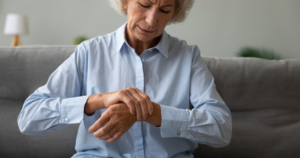
The psychological toll of relationship stigma and anxiety manifests in multiple mental health challenges that require clinical attention and therapeutic intervention. Couples frequently develop social anxiety specific to public displays of affection or introducing partners in professional or family contexts, leading to relationship compartmentalization that prevents full integration into each other’s lives. Internalized shame about the age gap can trigger depression, particularly when individuals begin questioning whether the psychology of older woman-younger man relationship patterns is sustainable based on external messaging rather than actual relationship quality. Cognitive distortions emerge as couples catastrophize about future challenges or discount positive relationship experiences due to age-related insecurities. Therapeutic approaches, including cognitive-behavioral therapy, help couples identify and challenge these distortions, reframing the relationship narrative from societal expectations to personal values and genuine compatibility.
| Mental Health Challenge | Therapeutic Intervention |
|---|---|
| Social Anxiety About Public Perception | Exposure therapy combined with cognitive reframing to reduce hypervigilance about others’ judgments. |
| Internalized Shame and Self-Doubt | Individual therapy addressing core beliefs about self-worth and relationship legitimacy |
| Communication Breakdowns About Age Concerns | Couples therapy teaches active listening and validation skills for age-related vulnerabilities |
| Attachment Insecurity From External Criticism | Emotionally Focused Therapy strengthens secure attachment bonds and emotional responsiveness |
| Depression Related to Relationship Stigma | CBT addresses negative thought patterns and builds resilience against societal messaging |
When Age-Gap Relationship Challenges Require Professional Support at the Mental Health Center of San Diego
Understanding when the psychology of older woman-younger man relationship challenges requires professional intervention helps couples address issues before they become entrenched patterns. Persistent anxiety about the relationship that interferes with daily functioning, causes sleep disturbances, or creates constant worry about partner commitment indicates clinical-level distress requiring therapeutic support. Communication breakdowns where age-related concerns cannot be discussed without defensiveness or emotional shutdown suggest underlying attachment wounds that couples therapy can address through structured dialogue techniques. Unresolved insecurity that manifests as jealousy, controlling behaviors, or constant reassurance-seeking points to individual self-esteem issues that benefit from both individual and couples counseling approaches. When external pressure from family or social circles creates relationship instability, therapeutic intervention helps establish healthy boundaries and communication strategies. Cougar dating mental health effects become more manageable when couples access specialized support that validates their relationship while addressing legitimate psychological concerns.
The psychology of older woman-younger man relationship dynamics becomes more manageable when couples access specialized therapeutic support that addresses both relationship patterns and individual mental health needs. Mental Health Center of San Diego offers relationship-focused therapy that helps age-gap couples navigate societal stigma, strengthen communication patterns, and build resilience against external judgment while honoring each partner’s developmental needs. Therapists trained in attachment-based approaches work with couples to identify how early relationship experiences influence current partnership dynamics, helping partners develop secure attachment patterns that withstand age-related insecurities. Cognitive-behavioral interventions address the distorted thinking patterns that emerge from relationship stigma and anxiety, teaching couples to challenge societal assumptions while focusing on relationship quality and mutual satisfaction. If you are experiencing mental health challenges related to your age-gap relationship or need support navigating societal pressure while maintaining relationship authenticity, the experienced therapists at Mental Health Center of San Diego provide compassionate, evidence-based care tailored to your unique partnership dynamics.
FAQs About the Psychology of Older Woman-Younger Man Relationships
Why do younger men prefer older women psychologically?
Younger men are often attracted to the emotional maturity, confidence, and secure attachment patterns that older women demonstrate in relationships, which are central to the psychology of older woman-younger man relationship success. These psychological qualities create stable, low-drama partnerships where younger men feel valued for authentic connection rather than superficial attributes.
What are the biggest mental health challenges in age-gap relationships?
The primary mental health challenges include anxiety and depression triggered by societal stigma, internalized shame about the relationship, and stress from navigating different life stages. Couples also frequently experience social anxiety about public perception and relationship-specific insecurity that requires therapeutic intervention to address the psychology of older woman-younger man relationship barriers.
How does attachment style affect older woman-younger man relationships?
Secure attachment styles create the foundation for successful psychology of older woman-younger man relationship patterns, allowing partners to maintain healthy independence while building emotional intimacy. Anxious or avoidant attachment patterns can be triggered by external judgment, causing relationship instability that couples therapy can address through attachment-focused interventions.
Can couples therapy help age-gap relationships succeed?
Yes, couples therapy provides essential support for navigating the unique challenges of the psychology of older woman-younger man relationship dynamics, including communication about age-related concerns, managing external stigma, and addressing attachment insecurities. Therapeutic interventions help couples build resilience, strengthen emotional bonds, and develop strategies for maintaining relationship authenticity despite societal pressure.
What does research say about the success rate of older woman-younger man relationships?
Research indicates that the psychology of older woman-younger man relationship satisfaction and longevity rates are comparable to same-age partnerships when couples share core values, maintain strong communication, and develop resilience against external judgment. Studies published in the Journal of Marriage and Family show that relationship quality depends more on compatibility factors than age difference itself.