Skip to content




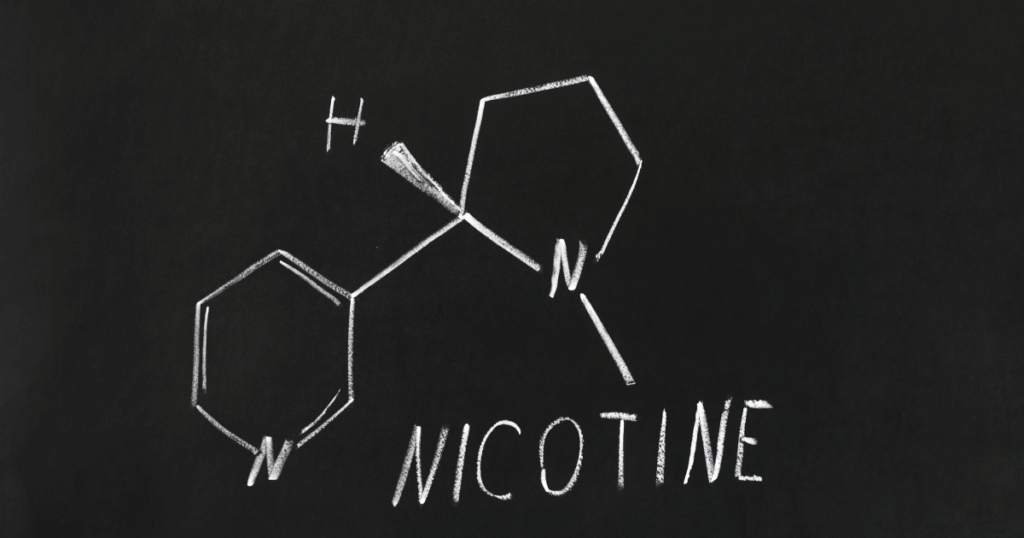
Understanding the effects of nicotine is crucial for anyone contemplating smoking or using tobacco products. Nicotine is a potent chemical present in cigarettes and vaping products and is known to be highly addictive. But what exactly are the consequences of nicotine consumption for your physical and mental health
In our guide, our experts examine the question of what nicotine does to your body to help our readers make informed decisions. We will look at how nicotine affects major body systems from the brain to the heart. We will also review the negative impacts of nicotine addiction and offer a few tips for a healthier lifestyle free of harmful chemicals.

Nicotine and Brain Function
When you consume nicotine, it reaches your brain within minutes. The chemical binds to the nicotine receptors and increases the production of neurotransmitters such as dopamine and serotonin. These hormones are responsible for mood regulation—this is why many first-time smokers feel relaxed and happy after lighting a cigarette.
While the short-term effects of nicotine on the brain may seem positive—elevated mood and improved focus—in the long run, nicotine consumption is harmful. It was found that nicotine impairs brain development in teenagers and affects cognitive function, memory, attention, and learning.
Nicotine and Heart Health
Nicotine accelerates the release of adrenaline—the hormone that increases heart rate and blood pressure. This leads to a higher risk of heart-related issues—from arrhythmia to a heart attack. If you have been diagnosed with high blood pressure, it is recommended to quit smoking as soon as possible to prevent a stroke.
In addition, nicotine is known to constrict blood vessels, reducing blood flow and cutting off oxygen supply to various organs and tissues. Poor circulation may result in chronic pain, blood clots, and even a brain aneurysm.
Nicotine and Lung Health
Smoking is one of the leading causes of chronic obstructive pulmonary disease, a long-term condition that makes it difficult to breathe. Nicotine and other poisonous chemicals present in cigarettes irritate the lung tissue and block the airflow, leading to chronic cough and shortness of breath.
Moreover, smokers are more likely to suffer from lung infections such as pneumonia and tuberculosis. It is also important to note that people who do not smoke but are exposed to secondhand smoke may deal with lung cancer—this serious illness is often diagnosed in smokers and passive smokers alike.
The Addictive Nature of Nicotine
Nicotine is often compared to illicit drugs when it comes to its addictive properties. Once nicotine enters the brain, it boosts dopamine production—this neurotransmitter is also called a “pleasure hormone.” Naturally, when a person associates smoking with feeling good, they want to repeat the behavior to experience the nicotine “high” again.
Nicotine addiction, whether you smoke or vape, goes beyond mental dependence. People addicted to nicotine often suffer from withdrawal symptoms—headaches, nausea, insomnia, increased appetite, anxiety, and depression. Nonetheless, as a rule, the withdrawal lasts only a few days—your healthcare provider will be able to give you advice and help you quit nicotine.

Nicotine and Psychological Well-Being
There is a clear connection between nicotine and mental health problems. While the temporary nicotine high may alleviate stress in the moment, in the long run, this substance is detrimental to a person’s psychology.
Research shows smokers are more likely to be diagnosed with depression and anxiety. If you struggle with mental health disorders and you feel like nicotine is harming you in this regard, reach out to a mental health professional and step on the path to recovery.
FAQs
What is nicotine?
Nicotine is a chemical compound present in tobacco. This substance is mostly known for its addictive properties—it stimulates the production of dopamine, a neurotransmitter associated with pleasure and reward.
What does nicotine do to your body?
Nicotine accelerates the heartbeat, raises blood pressure, affects hormone production in the brain, and slows down lung function. It negatively impacts most body systems, causing long-term damage, especially if a person becomes addicted to it.
What are the short-term effects of nicotine?
In the short run, nicotine may seem beneficial—it makes a person feel euphoric, increases their focus, and reduces their appetite. These effects will last for about an hour after you smoke or vape.
What are the long-term effects of nicotine?
Nicotine is known to harm a person’s health in numerous ways—from brain fog and chronic headaches to infertility and pregnancy complications. If you are addicted to nicotine, you may struggle with withdrawal symptoms such as nausea and insomnia.
Is nicotine addiction treatable?
Yes, you can quit nicotine! While this substance is highly addictive, with proper healthcare and support, it is possible to give up the habit of smoking or vaping. Reach out to a medical professional to get the treatment that suits you.
Prioritize Your Health and Quit Nicotine
We hope that our guide was able to explain the negative repercussions of nicotine consumption Whether you are a smoker a vaper or a parent worried about your child picking up this habit knowing the dangers of nicotine will be helpful It is recommended to never start smoking—and if you have already become addicted to nicotine, take steps to quit for your physical and mental well-being.
If you need assistance with nicotine addiction or you are looking for guidance to improve your mental health, you can contact the Mental Health Center of San Diego. Our trained professionals will be able to support you on your journey to a healthier and happier future. Call us or schedule an appointment through our website!