Skip to content




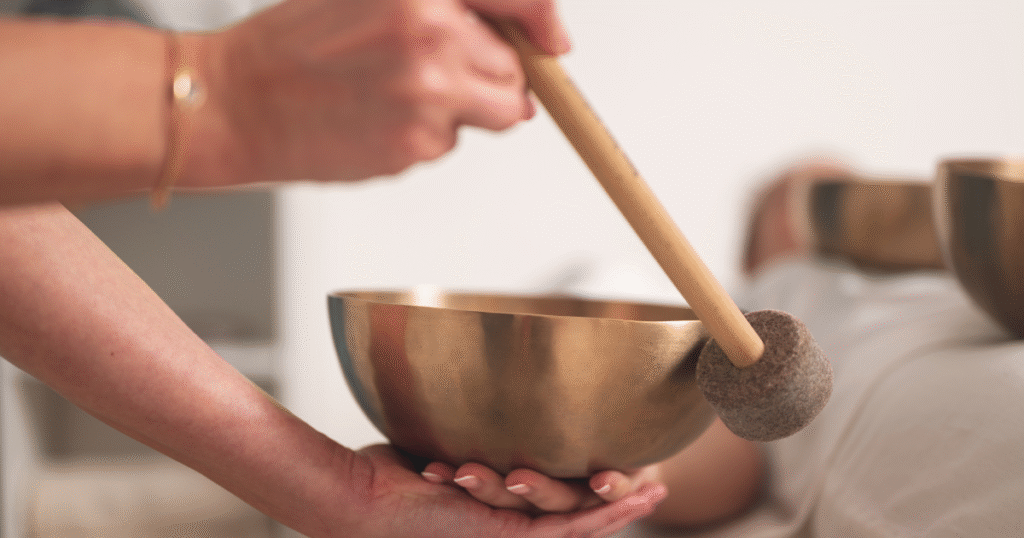
Have you ever wondered if there’s a simpler way to quiet your mind? Sound baths offer exactly that—a guided meditative experience that uses resonant instruments to help reduce stress, ease anxiety, and promote deep relaxation. No experience is required, and you don’t have to “know how” to meditate.
Below, we cover what a sound bath actually involves, the physical and mental health benefits backed by growing research, and practical tips for getting the most out of your first session.

What Is a Sound Bath?
A sound bath is a meditative practice in which a trained facilitator plays resonant instruments—such as crystal singing bowls, gongs, tuning forks, and chimes—to immerse participants in layered sound and vibration. Unlike a concert or playlist, the goal isn’t entertainment. It’s to guide your nervous system into a state of deep rest.
You don’t need to do anything during a sound bath except lie down, close your eyes, and listen. The overlapping tones and frequencies do the work, helping your body shift from a stressed, alert state into relaxation.
While sound baths have surged in popularity, the concept isn’t new. Ancient cultures across the world used sound as a healing tool for thousands of years. Modern sound therapy builds on that tradition with a growing body of research supporting its benefits.
Health Benefits of Sound Baths
Sound baths aren’t just relaxing in the moment—they can produce measurable changes in your body. Here’s what the research and clinical experience suggest.
Stress Reduction
Sound bath sessions have been shown to lower cortisol levels and reduce blood pressure. The sustained, low-frequency vibrations help activate your parasympathetic nervous system—the body’s built-in “rest and digest” response. For people dealing with chronic stress, regular sessions can serve as a powerful reset.
Better Sleep
If you struggle with insomnia or restless nights, sound baths may help. The deep relaxation achieved during a session can carry over into improved sleep quality. Many participants report falling asleep faster and sleeping more deeply after incorporating sound therapy into their routine.
Improved Focus and Mental Clarity
The meditative state achieved during a sound bath can sharpen concentration and reduce mental fog. By quieting the constant stream of thoughts, your mind gets a chance to rest—and many people find they feel more alert and productive afterward.
Mental Health Benefits of Sound Baths
Beyond physical relaxation, sound baths offer meaningful benefits for emotional and psychological well-being.
Anxiety Relief
Certain frequencies and vibration patterns can help calm an overactive nervous system. Research suggests sound therapy may reduce symptoms of anxiety by promoting slower brain wave activity, shifting participants from a state of hyperarousal into calm.
Greater Self-Awareness
Sound baths create space for introspection. Without screens, conversations, or distractions, you’re free to observe your thoughts and emotions as they surface. Over time, this kind of practice builds emotional intelligence and self-awareness—skills that support mental health both in and out of therapy.
A Gateway to Mindfulness
You don’t need to have a mental health diagnosis to benefit from mindfulness, and you don’t need prior meditation experience to try a sound bath. The practice offers a low-barrier entry point into mindfulness that many people find easier than traditional seated meditation. The sounds give your mind something to anchor to, making it simpler to stay present.

What to Expect From a Sound Bath Session
If you’ve never attended a sound bath, here’s a quick overview of how a typical session works.
The Facilitator
A certified sound bath practitioner leads each session. They’re trained in the therapeutic use of instruments and will guide the group, set the pace, and create a safe, calming space for participants.
The Instruments
Expect to hear crystal singing bowls, Tibetan bowls, gongs, chimes, tuning forks, and sometimes flutes or drums. Each instrument produces distinct frequencies and overtones designed to promote relaxation and healing.
Duration
Most sound bath sessions last between 45 and 60 minutes. Some may be shorter (30 minutes) or longer depending on the facilitator and setting.
Tips for Your First Sound Bath
A few simple steps can help you get the most out of the experience.
Dress for Comfort
There’s no dress code. Wear loose, comfortable clothing that won’t restrict your breathing or movement—think yoga clothes or sweats.
Find a Comfortable Position
Most people lie down on a yoga mat or blanket. Some prefer to sit in a chair. The key is choosing a position where you can fully relax without discomfort for the duration of the session.
Let Go of Expectations
It’s normal to feel skeptical or unsure during your first session. Try to approach the experience with curiosity rather than judgment. There’s no “right” way to respond—some people feel deeply relaxed, others feel emotional, and some simply enjoy the rest.
Experience the Healing Power of Sound Baths in San Diego
Sound baths offer a simple, accessible way to support your physical and mental health—whether you’re managing stress, working through anxiety, or looking for a new approach to mindfulness. The benefits are real, and you don’t need any prior experience to get started.
At the Mental Health Center of San Diego, our team can help you explore sound therapy as part of a comprehensive approach to wellness. Contact us today to learn more or schedule your first session.
FAQs
1. How often should you do a sound bath?
There’s no strict rule, but many practitioners recommend attending a sound bath once a week or biweekly to experience cumulative benefits. Even a single session can provide noticeable stress relief, so frequency depends on your personal goals and schedule.
2. Are sound baths safe for everyone?
Sound baths are generally safe for most people. However, individuals with sound-triggered conditions such as epilepsy, severe PTSD, or certain sensory processing disorders should consult a healthcare provider before attending. Pregnant women should also check with their doctor first.
3. What is the difference between a sound bath and music therapy?
Music therapy is a clinical practice conducted by a licensed therapist who uses music to address specific therapeutic goals. A sound bath is a group meditative experience focused on relaxation and stress relief through resonant instruments. Both use sound, but the settings, credentials, and objectives differ.
4. Do sound baths actually work?
Research is still growing, but several studies have shown that sound baths can reduce tension, anxiety, and negative mood states while increasing feelings of relaxation and well-being. Many participants also report improved sleep and reduced pain after regular sessions.
5. Can sound baths help with depression?
Sound baths are not a standalone treatment for depression, but they can be a supportive complement to therapy and other evidence-based treatments. The deep relaxation and mindfulness benefits may help ease some symptoms and improve overall emotional resilience.